Course description

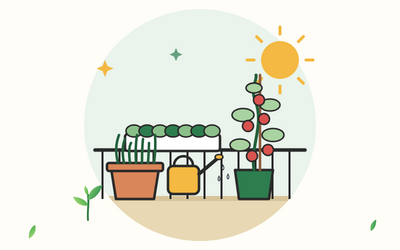
You don't need a garden to grow things. A balcony, a paved yard, a patio, a front step or a window sill can hold herbs for the kitchen, salad leaves for weeks on end, cherry tomatoes, strawberries, a blueberry bush and pots of flowers that bees visit all summer. This course shows you how, step by step, in a UK climate.

It's written for flat dwellers, renters and anyone with a patio, yard or balcony instead of a garden, and for complete beginners. You start with the space you have: its sun, wind, shelter and weight limits, and what your tenancy or lease allows. Then you choose containers and peat-free compost, learn to water and feed well, pick plants that suit your spot, and grow herbs, salads, vegetables, fruit, flowers and climbers. Non-chemical ways of dealing with pest problems come first, and safety at height is covered throughout.

There are 10 sections and 50 written lessons, each with a worked example and a short practical task. You follow Ibukun, who began growing on a bare, windy second-floor balcony in a rented flat in Fleetwood, through her first year, including the salad that ran to seed and the vine weevil in her strawberries. Every section has a practice pack with a worksheet and example answers, plus a space assessment sheet, a safety and permission card, a container guide, a watering log spreadsheet, plant lists, crop cards, a fruit card, a seasonal pots planner, a pest and problem checker, a month-by-month calendar, a budget spreadsheet, a planting plan and a container log.


What you'll learn

  • Getting to know your space: which way your space faces, counting sun hours through the year, wind, rain shadow and shelter, weight on balconies, safety at height, water dripping onto neighbours, and asking permission if you rent or have a lease.
  • Choosing containers: plastic, clay, glazed, metal, wood and fabric pots, the right size for each plant, drainage holes, saucers and pot feet, self-watering pots, railing troughs, and reusing containers safely.
  • Compost, feeding and mulching: peat-free compost and where the UK stands on peat, multipurpose, soil-based, ericaceous and gritty mixes, planting up step by step, feeding, mulching and top-dressing.
  • Watering containers well: checking before you water, how and when to water, saving water with rainwater and water butts where possible, holiday watering, heatwaves and hosepipe bans.
  • Choosing plants for your spot: reading plant labels, plants for sun, shade and wind, buying healthy plants and seeds, and plants that are harmful or invasive.
  • Herbs, salads and vegetables: herbs, cut-and-come-again salad leaves, cherry tomatoes and chillies, beans and peas, and potatoes in bags.
  • Fruit in containers: strawberries, blueberries in ericaceous compost with rainwater, dwarf and columnar fruit trees, currants, figs and rhubarb, and fruit care through the year.
  • Flowers, climbers and pollinators: pots for every season, bulbs and layered bulb pots, hanging baskets and window boxes fixed safely, climbers without wall fixings, and pots for bees.
  • Pests, problems and winter care: slugs, vine weevil and aphids with non-chemical methods first, diseases and growing problems, using garden products safely, frost protection and repotting.
  • Your year and your final project: a month-by-month UK calendar, a budget, and your own container garden: planned, planted up and recorded in a log.


Who it's for

Anyone in the UK who wants to grow in containers: people in flats with a balcony or only window sills, renters who can't dig or fix things to walls, and people with a patio or yard instead of a garden. No gardening knowledge is needed. You'll need a few containers, peat-free compost and a watering can, and the course helps you choose them and keep to a budget.


What this course is, and isn't

This course gives general, practical information about growing in containers in the UK. It isn't legal advice: if you rent or have a lease, your agreement and your landlord's or managing agent's rules come first. It doesn't promise any particular harvest, and it doesn't recommend any brands, shops, products or named varieties. Everything you need is in the lessons and the practice packs.

What will I learn?

  • Assess a balcony, patio, yard or window sill for aspect, sun hours, wind, rain shadow and shelter
  • Keep a container garden safe and neighbourly: weight on balconies, nothing loose at height, water that doesn’t drip below, and permission in writing if you rent or have a lease
  • Choose containers of the right material and size, with good drainage, and reuse old containers safely
  • Choose peat-free compost and mixes for different plants, plant up step by step, feed and mulch
  • Check before you water, water well, save water, and keep pots going through holidays, heatwaves and hosepipe bans
  • Read plant labels and choose plants that suit sun, shade and wind, avoiding harmful and invasive plants
  • Grow herbs, cut-and-come-again salad, cherry tomatoes, chillies, beans and potatoes in containers
  • Grow strawberries, blueberries in ericaceous compost and a dwarf fruit tree in a pot
  • Plan pots for every season, with bulbs, hanging baskets, window boxes, climbers and flowers for pollinators
  • Deal with slugs, vine weevil, aphids and common problems with non-chemical methods first, protect pots in winter, and plan, plant and log your own container garden

Requirements

  • No gardening experience needed
  • Somewhere to grow: a balcony, patio, yard, step or window sill, inside or out
  • If you rent or have a lease, your tenancy agreement or lease to hand, so you can check what’s allowed
  • A PDF reader and a spreadsheet app for the practice files, or a printer, or a notebook

Frequently asked questions

Anyone in the UK who wants to grow in containers: people in flats with a balcony or only window sills, renters, and anyone with a patio, yard or front step instead of a garden. It's written for complete beginners.

Yes. Inside sills are good for sowing seeds and growing herbs and chillies, and an outside sill can take a window box if it's fixed safely and you have permission. Plants that live indoors all year are covered in Houseplants for Beginners.

Yes. Containers are ideal for renters, because they move with you. The course explains what to ask your landlord, letting agent or managing agent in writing, and how to grow without fixing anything to walls. It gives general information, not legal advice.

Nobody can tell you that without knowing how your balcony was built, so the course shows you how to ask your landlord or managing agent, keep weight down with lightweight pots and peat-free multipurpose compost, and place heavy pots near the building wall.

No. The course puts non-chemical methods first for slugs, vine weevil, aphids and other problems, never recommends slug pellets, and explains how to use any product safely, in general terms, if you choose to.

Peat bogs store carbon and are home to rare wildlife. Lesson 3.1 explains where the UK stands on peat and how to get good results from peat-free compost, which the course uses throughout.

It depends on what you grow. You can start with a few pots of herbs and salad from seed and reused containers. Lesson 10.2 shows how to set a budget, with a budget spreadsheet in the Section 10 pack. Prices vary, and no brands or shops are recommended.

Yes. Every section has a practice pack with a worksheet and example answers, plus a space assessment sheet, a safety and permission card, a container guide, a watering log spreadsheet, plant lists, crop cards, a fruit card, a seasonal pots planner, a pest and problem checker, a calendar, a budget spreadsheet, a planting plan and a container log.

Gardening for Beginners covers a whole garden, Houseplants for Beginners covers indoor plants, and Allotment Growing covers a plot. Garden Design for Beginners, Wildlife Gardening and Pruning Made Simple go further into design, wildlife and pruning.

You get lifetime access, including any lessons we add later.

Yes. You can ask for a refund within 14 days of buying if you've completed less than 30% of the course. Email support@rootlet.co.uk.
Container Gardening for Small Spaces: Pots, Balconies and Patios

£29.99

Lectures

60

Skill level

Beginner

Expiry period

Lifetime

Certificate

Yes

✓ 14-day money-back guarantee if you have completed less than 30% of the course. Refund policy

✓ Secure card payment by Stripe

✓ Questions before you buy? support@rootlet.co.uk

Sold by Rootlet Academy Ltd, a UK company (no. 17529179).

Share this course

Related courses

Learn something new every week

One short, practical tip each Thursday, plus news when new courses open. Free, and you can unsubscribe in one click.

We'll never share your email. See our privacy policy.