Course description

A cluttered home can make everyday life harder: lost keys and bills, a hall you can't get through, and the feeling that there's never time to sort it. This course gives you a kind, practical plan to clear and organise your home room by room, and habits that keep it that way.

It's written for busy households, people downsizing to a smaller home, and people helping a parent or relative, including clearing the home of someone who has died. You begin with why clutter builds up and a realistic mindset, then audit your hot spots, make a plan that fits your week and learn a simple four-box sort. Room by room, you clear the hall, kitchen, living room, bedrooms, bathroom, children's rooms, paperwork, loft, garage and shed, and organise with things you already have. Later sections cover downsizing and moving, helping a relative with consent, getting rid of things responsibly, and keeping it tidy for good.

There are 10 sections and 50 written lessons. Each lesson has a worked example, common slips, questions people often ask and a short exercise to try, and each section ends with a short quiz. You follow Pania and her family in their semi in Lincoln as they clear their home, help her father Tamati move to a flat, and clear her aunt's bungalow. In the final lessons you write a room-by-room plan for a made-up household, with a worked model answer. Every section has a practice pack, including a hot spots audit, a room plan template, a sort and decide card, a paperwork keep or shred guide, a donation and selling log spreadsheet, a disposal and recycling checklist and a daily and weekly reset planner.


What you'll learn

  • Why clutter builds up and a mindset that lasts: the everyday reasons things pile up, how clutter affects daily life, when it may be more than clutter, and small, kind steps that last.
  • Getting ready: a clutter hot spots audit, a plan you can keep, time blocks that fit a busy week, the four-box sort and sorting safely.
  • The entrance, kitchen and living room: a clear hall and way out, kitchen cupboards and worktops, the fridge and under the sink, living and dining rooms, and shared spaces.
  • Bedrooms, wardrobes, bathrooms and children's rooms: calm bedrooms, wardrobes and clothes, drawers and shoes, the bathroom and old medicines, and sorting with children, not for them.
  • Home office, paperwork and digital clutter: a paperwork spot, a simple filing system, what GOV.UK says about keeping tax records, shredding and identity documents, and digital clutter.
  • Lofts, garages, sheds and sentimental things: getting into the loft safely, garages and sheds, sentimental items, photos and children's artwork, and gifts and inherited things.
  • Storage and organising without buying lots: zones, labels and containers you already have, walls, doors and under-bed space, everyday items as storage, and small or shared homes.
  • Downsizing, moving and clearing a relative's home: downsizing, moving with less, helping a parent or relative with consent, clearing the home of someone who has died, and house clearance firms.
  • Getting rid of things responsibly: donating well, selling and what HMRC says about tax, recycling and reuse, electricals, batteries, paint, chemicals and medicines, and bulky items and waste carriers.
  • Keeping it tidy and the final project: daily resets, one in, one out, seasonal reviews and family routines, and a room-by-room plan for a made-up household with a worked model answer.


Who it's for

Busy households who want a calmer home, people downsizing, and people clearing a parent's or relative's home. No experience is needed, and you don't need to buy any storage. The course is kind and non-judgemental throughout, and it explains what the NHS says about hoarding disorder and where to get help.


What this course is, and isn't

This is a practical course, not legal, tax, financial or medical advice. Safety, legal and tax points come from official UK pages, including GOV.UK, HMRC, HSE, the NHS, fire and rescue services, councils, SEPA, DAERA and nidirect, read on 3 November 2026. Rules can change, so check the official pages for your own situation. Pania, Tamati and every other person in the course are fictional.

What will I learn?

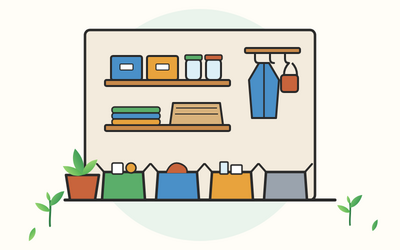
  • Understand why clutter builds up, and start with a kind, realistic mindset that lasts
  • Recognise when clutter may be more than clutter, and know what the NHS says about hoarding disorder and getting help
  • Audit the clutter hot spots in your home and turn them into a room-by-room plan with sessions that fit a busy week
  • Sort any space with four boxes, a belongs elsewhere basket and quick questions, and lift and carry safely
  • Clear the hall, kitchen, living room, bedrooms, bathroom and children's rooms, with the whole household involved
  • Set up a simple paperwork system, and know what GOV.UK says about keeping tax records and what to shred
  • Sort lofts, garages, sheds and sentimental things safely and kindly, at your own pace
  • Organise with zones, labels and containers you already have, without buying lots of storage
  • Help a relative downsize or clear the home of someone who has died, always with consent and care
  • Donate, sell, recycle and dispose of things responsibly, including electricals, batteries, paint, medicines and bulky items, and check a waste carrier
  • Keep your home clear with daily and weekly resets, one in, one out and seasonal reviews

Requirements

  • No experience is needed; bags, boxes you already have, a pen and a notebook or phone are enough to begin
  • You don't need to buy any storage; the course shows how to use what you already have
  • The course isn't legal, tax, financial or medical advice, and it never asks you to go into an unsafe loft or move anything heavy alone
  • A way to open PDF files, and spreadsheet software if you'd like to use the donation and selling log spreadsheet

Frequently asked questions

Busy households who want a calmer, clearer home, people downsizing to a smaller place, and people helping a parent or relative, including clearing the home of someone who has died. No experience is needed.

No. Section 7 shows how to organise with zones, labels and containers you already have. The course suggests sorting first and only buying something if a real need remains.

Lesson 1.4 explains how the NHS describes hoarding disorder, why it isn't the same as a cluttered home, and that the NHS says to see a GP. It also explains why you should never clear someone else's things without their agreement.

Yes. Section 8 covers helping a parent or relative downsize, clearing the home of someone who has died, what GOV.UK says about probate and the estate, finding valuables and documents, and choosing a house clearance service with care.

No. It's a practical course. Safety, legal and tax points come only from official UK pages read on 3 November 2026, such as GOV.UK, HMRC, HSE, the NHS and fire and rescue services, and the lessons name each one. Check the current page for your own situation.

Yes. Section 9 covers donating, selling and what HMRC says about tax on selling personal items, recycling, electricals, batteries, paint, chemicals and medicines, bulky items, old sofas and checking that a waste carrier is registered, with notes for Scotland, Wales and Northern Ireland.

Yes. Every section has a practice pack with a worksheet, an answer key, a cheat sheet and worked examples, plus a hot spots audit, a room plan template, a sort and decide card, a paperwork keep or shred guide, a sentimental items worksheet, a donation and selling log spreadsheet, a disposal and recycling checklist, a safe lifting and fire safety card, a clearing a relative's home checklist, a daily and weekly reset planner and a glossary.

Yes. Selling on eBay and Vinted: Declutter, List and Run a Side Hustle the UK Way; Upcycling Furniture for Beginners: Paint, Restore and Transform Second-Hand Pieces; Money Management for Beginners: Budgeting, Bills, Debt and Saving in the UK; and Lasting Power of Attorney and Wills Explained: Plan Ahead for You and Your Family.

You get lifetime access, including any lessons we add later.

Yes. You can ask for a refund within 14 days of buying if you've completed less than 30% of the course. Email support@rootlet.co.uk.
Declutter and Organise Your Home: A Room-by-Room Plan That Lasts

£29.99

Lectures

60

Quizzes

10

Skill level

Beginner

Expiry period

Lifetime

Certificate

Yes

✓ 14-day money-back guarantee if you have completed less than 30% of the course. Refund policy

✓ Secure card payment by Stripe

✓ Questions before you buy? support@rootlet.co.uk

Sold by Rootlet Academy Ltd, a UK company (no. 17529179).

Share this course

Related courses

Learn something new every week

One short, practical tip each Thursday, plus news when new courses open. Free, and you can unsubscribe in one click.

We'll never share your email. See our privacy policy.