Course description
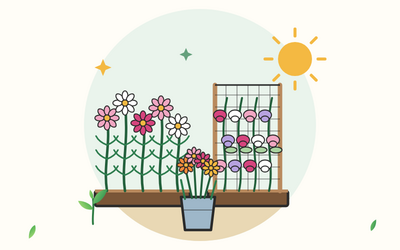
A small patch of ground can give you buckets of flowers from spring to autumn: sweet peas, cosmos, zinnias, cornflowers, dahlias, tulips and more, picked by you for the kitchen table, for friends and family, or for a few bunches to sell. This course shows you how to plan, sow, grow and pick a cutting patch through the British seasons, step by step.
It's written for complete beginners with a garden border, a raised bed or an allotment. You start by planning the patch: sun, shelter, soil, size and the time you have, and what your tenancy or site rules allow. Then you make peat-free no-dig beds, choose flowers by type and season, sow indoors and outdoors, plant out and put up supports, look after the patch through summer, deal with pests and problems with non-chemical methods first, and learn when to pick each flower and how to condition it so it lasts in the vase. Safety is covered throughout, including harmful plants, irritant sap and pets.
There are 10 sections and 50 written lessons, each with a worked example and a short practical task. You follow Joelle, who took on a half plot at an allotment site near Ormskirk in West Lancashire and grew her first cutting patch from scratch, including the zinnia plants slugs ate on their first night out and the bunches she sold at a community centre summer fair. Every section has a practice pack with a worksheet and example answers, plus a site and size planner, a safety card, bed plans, a flower chooser, a sowing calendar spreadsheet, planting and care checklists, a pest and problem checker, harvest stage cards, a conditioning guide, an arranging and drying card, seed saving labels, a stall price planner spreadsheet, a patch plan template and a 12-month calendar spreadsheet.
What you'll learn
- Planning your cutting patch: why grow your own, choosing a site for sun, shelter, wind, frost and water, how big a patch suits your time and budget, beds or rows in a border or on an allotment, and checking your tenancy rules.
- Soil and beds: getting to know your soil and its pH, clearing ground and making no-dig beds, peat-free compost and mulches, paths, posts and water, and working safely.
- Choosing flowers by type and season: hardy annuals, half-hardy annuals, biennials and perennials, bulbs, corms and tubers including dahlias, foliage, fillers and flowers for drying, and putting a season of picking together.
- Sowing: reading seed packets and choosing kit, autumn sowing and sweet peas, sowing indoors in spring, sowing direct outdoors, thinning, pricking out and hardening off.
- Planting and supporting: planting out and spacing for cutting, bulbs and dahlias, horizontal netting, stakes and canes, sweet peas on the cordon method, and dividing clumps.
- Looking after the patch: watering and saving water, feeding and mulching, pinching out for more and longer stems, deadheading and picking often, weeding and garden waste.
- Pests, diseases and safety: slugs and snails without pellets, aphids and other insects, damping off, mildew, grey mould and rust, harmful and irritant plants with children and pets in mind, and using products safely.
- Harvesting and conditioning: when to pick and the right stage for each flower, clean buckets and tools, conditioning stems, woody stems, milky sap and daffodils, and looking after flowers in the vase.
- Arranging, drying, seed saving and sharing: jam jars, posies and hand-tied bunches, arranging without floral foam, drying everlastings, saving and labelling seed, and selling to friends or at a small stall.
- Your year and your final project: a month-by-month UK calendar, lifting dahlias and autumn jobs, your own patch plan and 12-month calendar, and reviewing your first year.
Who it's for
Anyone in the UK who wants to grow flowers for cutting: gardeners with a spare border or a raised bed, allotment holders who want flowers as well as vegetables, and anyone who has never sown a seed. No gardening knowledge is needed. You'll need somewhere to grow, a few basic tools, peat-free compost and seeds, and the course helps you plan a budget.
What this course is, and isn't
This course gives general, practical information about growing cut flowers in the UK. It isn't legal, tax or business advice: if you want to sell flowers, check your tenancy or site rules first, and GOV.UK has the guidance on tax. It doesn't promise any particular number of stems or how long flowers last in the vase, and it doesn't recommend any brands, shops, products or named varieties. Everything you need is in the lessons and the practice packs.