Course description

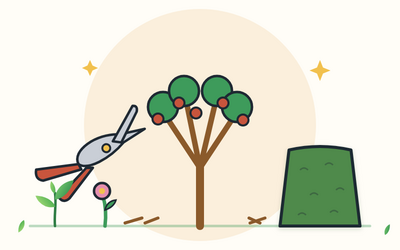
Do you have a garden full of established plants and no idea when, or where, to cut them? Pruning can feel risky: cut a forsythia at the wrong time and it won't flower, cut a plum in winter and you invite disease. This course takes the fear out of it. You'll learn how plants respond to a cut, then work through shrubs, roses, climbers, hedges and fruit, so you know what to cut, where and when, all through the UK gardening year.

It's a full course, not a quick tour. There are 10 sections and 52 written lessons, and every job is explained step by step, with the common slips and how to put them right. You follow Sushila, 58, a dental nurse in Chelmsford, through her first year in an overgrown garden she and her husband took on when they moved, complete with a 45-year-old apple tree, from her first nervous walk round in October to writing her own pruning calendar the next September, with help from Ebrima, a retired council parks gardener three doors down. Every section has a practice pack with a worksheet, key points and original diagrams, and Section 10 has a pruning calendar spreadsheet and a blank plan for a whole garden.


What you'll learn

  • Why, when and how plants respond: the good reasons to prune and when to leave a plant alone, buds and apical dominance in plain words, old wood and new wood, and reading a plant before you cut.
  • Tools and safety: secateurs, loppers, pruning saws and shears, cleaning and sharpening, gloves and eye protection, irritant sap, tripod ladders, and when to call an arborist.
  • Making good cuts: cutting to a bud, removing a branch at the collar, the three-cut method, the 3 Ds, crossing and crowded growth, suckers, and what happens after a cut.
  • Shrubs: the three shrub groups, spring- and summer-flowering shrubs, evergreens, lavender and other grey-leaved shrubs, and renovating an overgrown shrub over three years.
  • Roses: bush, shrub, climbing and rambling roses, training climbers sideways for more flowers, and bringing back an old rose.
  • Climbers: supports and safety on walls, clematis groups 1, 2 and 3, the two-stage wisteria prune, honeysuckle and other climbers, and renovating an overgrown climber.
  • Hedges: nesting birds and the law, formal hedges cut to a batter, informal and flowering hedges, conifers and box, and renovating hedges.
  • Apples and pears: spurs and tip bearers, shaping a young tree, winter pruning, summer pruning cordons and espaliers, and restoring an old tree over several winters.
  • Stone fruit and soft fruit: plums and cherries in summer to avoid silver leaf, blackcurrants, red currants and gooseberries, summer and autumn raspberries, and blueberries.
  • Trees, the law, disposal and your pruning year: Tree Preservation Orders and conservation areas, overhanging branches and neighbours, composting and disposing of prunings, a month-by-month calendar, and a pruning plan for a whole garden.


Who it's for

Gardeners with established plants they're afraid to cut, whether you've inherited a garden, taken on an allotment or simply never learned. You don't need any experience or power tools: a good pair of secateurs and gloves are enough to start. The course follows RHS pruning guidance, explains the law on nesting birds and protected trees in plain words, and tells you when to call a professional. Everyone in the course is fictional.

What will I learn?

  • Understand how plants respond to pruning, and tell old-wood from new-wood flowering so you cut at the right time
  • Choose, use, clean and sharpen secateurs, loppers, saws and shears, and work safely with sap, thorns and ladders
  • Make good cuts above a bud and at the branch collar, use the three-cut method, and deal with the 3 Ds
  • Prune spring-flowering, summer-flowering, evergreen and grey-leaved shrubs, and renovate an overgrown shrub over three years
  • Prune bush, shrub, climbing and rambling roses, and train a climbing rose sideways for more flowers
  • Find your clematis group and prune groups 1, 2 and 3, and prune wisteria and honeysuckle
  • Trim formal and informal hedges at the right time, check for nests first, and cut to a batter
  • Prune apples and pears in winter and summer, shape a young tree, and restore an old one over several winters
  • Prune plums and cherries in summer to avoid silver leaf, and prune currants, gooseberries, raspberries and blueberries
  • Check for Tree Preservation Orders and conservation areas, deal with overhanging branches, and write your own pruning calendar

Requirements

  • No experience needed. The course is for anyone with established plants they’re nervous about cutting
  • A garden, allotment or shared space with some shrubs, roses, climbers, hedges or fruit, or one you can visit
  • A pair of bypass secateurs and gardening gloves to start; Section 2 explains which other tools you may need and which can wait
  • Safety glasses and long sleeves for plants with irritant sap or thorns
  • A printer helps for the practice packs and calendar, but isn’t essential

Frequently asked questions

Gardeners who have established plants, often inherited with a house, and are afraid of cutting them in the wrong place or at the wrong time. You don't need any experience.

It covers the plants found in a typical UK garden: deciduous and evergreen shrubs, lavender and other grey-leaved shrubs, all the main kinds of rose, clematis, wisteria, honeysuckle and other climbers, formal and informal hedges, apples, pears, plums, cherries, currants, gooseberries, raspberries and blueberries.

No. Everything is done with hand tools. Lesson 7.2 has a short note on using a powered hedge trimmer safely, and chainsaw work is left to professionals.

The course teaches what you can safely do from the ground or a low tripod ladder, and when to call a qualified arborist. Section 10 explains Tree Preservation Orders, conservation areas and the six weeks' notice for trees in a conservation area in England and Wales.

The timings are for UK gardens, with notes on when to go later in the north and in cold gardens. The calendar spreadsheet lets you adjust every month for your own garden.

Section 7 explains the law on nests in plain words, and the lessons remind you to check before you cut, in any month.

Yes. Every section has a practice pack with a worksheet, key points and original diagrams or guides, and Section 10 has a pruning calendar spreadsheet and a blank plan for a whole garden.

You get lifetime access, including any lessons we add later.

Yes. You can ask for a refund within 14 days of buying if you've completed less than 30% of the course. Email support@rootlet.co.uk.
Pruning Made Simple: Fruit Trees, Shrubs, Roses and Hedges

£29.99

Lectures

62

Skill level

Beginner

Expiry period

Lifetime

Certificate

Yes

✓ 14-day money-back guarantee if you have completed less than 30% of the course. Refund policy

✓ Secure card payment by Stripe

✓ Questions before you buy? support@rootlet.co.uk

Sold by Rootlet Academy Ltd, a UK company (no. 17529179).

Share this course

Related courses

Learn something new every week

One short, practical tip each Thursday, plus news when new courses open. Free, and you can unsubscribe in one click.

We'll never share your email. See our privacy policy.