Course description
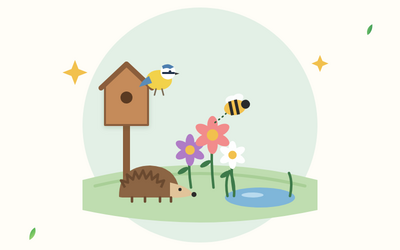
A wildlife garden doesn't have to be big, wild or untidy. Whether you have a balcony, a yard, a small back garden or plenty of space, a few well-chosen changes can bring in birds, bees, butterflies, hedgehogs, frogs and bats. This course shows you how: the plants that feed insects through the year, safe water, places to nest and shelter, routes between gardens, and the jobs to do, delay or leave alone in each season.
It's a full course, not a quick tour. There are 10 sections and 50 written lessons, and every lesson ends with a practical task for your own space. You follow Ausma, who gardens a small terraced garden in Loughborough, through her first year as a wildlife gardener: an honest audit, a log pile, a hedgehog gap agreed with her neighbour, a native hedge, a nest box and feeders in the right places, a small pond with a child-safe cover, and a footprint tunnel that finally shows a hedgehog. Every section has a worksheet, model answers, a cheat sheet and ready-made templates, guides and spreadsheets.
What you'll learn
- Thinking like a wildlife gardener: what wildlife needs, ideas for every size of space, the safety and law points that run through the course, and a 10-area wildlife audit with a first-year plan.
- Plants for wildlife: native and non-native plants, flowers from late winter to late autumn, trees, shrubs and climbers, buying plants with wildlife and safety in mind, and a planting plan.
- Insects: bees, hoverflies, butterflies and moths, nesting places for bees, caterpillar food plants, wildlife-friendly lawns and mini meadows, and gardening without pesticides.
- Birds: what birds need through the year, feeding safely in line with current RSPB guidance, nest boxes, nesting birds and the law, and the dangers birds face in gardens.
- Hedgehogs and other mammals: hedgehog highways with your neighbours, the right food and water, hedgehog houses, hazards and when a hedgehog needs help, and living alongside bats and foxes.
- Water: bird baths and dishes, planning and building a small wildlife pond that's safe for children, native pond plants, invasive species to avoid, and bog gardens.
- Shelter: log piles and leaf litter, native hedges, rough corners and nettles, walls, fences and roofs, compost heaps and stone piles.
- The year and beyond: a season-by-season guide, keeping a wildlife log, working with neighbours and your street, front gardens, renting and flats, and a garden for a changing climate.
Who it's for
Anyone in the UK who'd like more wildlife in their outdoor space, from complete beginners to experienced gardeners. It doesn't repeat general gardening or garden design courses: it looks at familiar jobs through a wildlife lens. Safety and the law are built in, including water safety for young children, harmful plants, nesting birds, bats and invasive species, with notes on the differences across the UK. The course gives practical, general guidance, not legal advice, and recommends no brands or shops. It ends with a final project: planning a bare new-build garden for a young family, then writing your own 12-month plan.