Course description

Want to eat more plants but worried about protein, vitamin B12, cost or what the rest of the family will eat? This course shows you how to build balanced vegetarian and vegan meals the UK way, step by step and at your own pace, whether you're aiming for a few meat-free days or a fully vegan diet.

It's a full course, not a list of recipes. There are 10 sections and 50 written lessons, each with a practical task. You follow a working mum in Hereford through her first half year of eating mostly plant-based, from her first hungry day to a balanced, budgeted week, including the mistakes. Every section has a worksheet, model answers, a cheat sheet and ready-to-use planners, checklists and idea banks.


What you'll learn

  • Getting started: what vegetarian, vegan, flexitarian and plant-based mean, your starting point and changing at a pace that lasts.
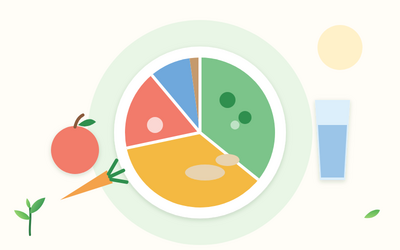
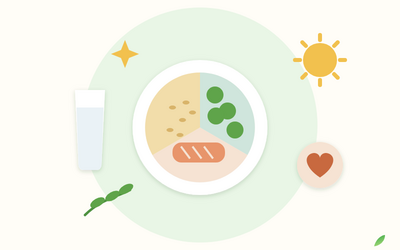
  • A balanced plate: the Eatwell Guide, starchy foods and fibre, fruit and vegetables, fats and a simple plate check.
  • Protein from plants: beans, lentils, soya foods, nuts, seeds and grains, spread through the day.
  • Key nutrients: vitamin B12, iron, calcium, vitamin D, omega-3 and iodine, fortified foods, and when to ask a pharmacist.
  • Shopping and labels: planning a shop, spotting animal ingredients and allergens, choosing plant drinks and eating well on a budget.
  • Cooking: a plant-based store cupboard, cooking beans and grains safely, flavour, tofu and tempeh, and batch cooking.
  • Meals through the day: breakfasts, packed lunches, quick dinners, snacks and baking without eggs or dairy.
  • Everyone at the table: mixed households, children and teenagers, pregnancy and later life, sport, and allergies.
  • Eating out and keeping it going: restaurants, parties, travel, work lunches and building habits that last.


The final project

You'll plan your own balanced plant-based week, check it day by day for protein and key nutrients, turn it into a costed shopping list, then cook and review it. A project brief, a week planner workbook and a self-review checklist are included.


Who this course is for

  • Anyone who wants to eat more plant-based meals in a healthy, balanced way.
  • New vegetarians and vegans who want to be sure they're getting what they need.
  • People cooking for a household where not everyone eats the same way.


How the course works

Read each lesson, then do the practical task using the planners and checklists in the practice pack. The course follows NHS and Food Standards Agency guidance and gives general information, not medical advice. Go at your own pace and keep lifetime access, so you can come back whenever you need to.
What will I learn?

  • Understand what vegetarian, vegan, flexitarian and plant-based mean, and choose a pace that suits you
  • Build balanced plant-based meals using the Eatwell Guide and a simple plate check
  • Get enough protein from beans, lentils, soya, nuts, seeds and grains across the day
  • Plan for vitamin B12, vitamin D, iron, calcium, omega-3 and iodine, and know when to ask a pharmacist
  • Read labels for fortified foods, animal ingredients and allergens, and shop on a budget
  • Cook beans, lentils, grains, tofu and tempeh safely and with flavour, and batch cook
  • Make plant-based meals work for a mixed household, children, active people and eating out
  • Plan, shop for and review your own balanced plant-based week

Requirements

  • No cooking experience beyond the basics
  • A kitchen with a hob and an oven
  • Interest in eating more plant foods, whether a few meals a week or fully vegan

Frequently asked questions

Anyone who wants to eat more plant-based meals in a healthy, balanced way, new vegetarians and vegans who want to be sure they're getting what they need, and people cooking for a household where not everyone eats the same way. You don't have to go vegan: the course works whether you want a few plant-based meals a week, to be vegetarian or to be fully vegan.

No. The course works whether you want a few plant-based meals a week, to be vegetarian or to be fully vegan. You choose your own pace.

No. It gives general information based on NHS and Food Standards Agency guidance. If you have a health condition, take regular medicines, are pregnant or breastfeeding, or are changing a child's diet, talk to your GP, pharmacist, midwife or health visitor first.

Section 3 shows how to get protein from beans, lentils, soya foods, nuts, seeds and grains, spread across the day, with a planner to check your own meals.

Section 4 explains vitamin B12, vitamin D, iodine and other nutrients, which foods are fortified, and what to ask a pharmacist. The course doesn't sell or recommend any brand.

Yes. Every section has a worksheet, model answers, a cheat sheet and tools, including a self-review workbook, a balanced plate check card, a protein planner, a key nutrients checklist, a shopping list template, a cooking times card, idea banks and a balanced week planner workbook.

No. Every lesson is written out step by step, and every section has practice files to download. There are no quizzes, tests or deadlines, so you can learn at your own pace.

You get lifetime access, with no expiry date. Come back to any lesson whenever you need a refresher.

Yes. You can ask for a refund within 14 days of buying if you've completed less than 30% of the course. Email support@rootlet.co.uk.
Plant-Based Eating for Beginners: Balanced Vegetarian and Vegan Meals

£29.99

Lectures

60

Quizzes

10

Skill level

Beginner

Expiry period

Lifetime

Certificate

Yes

✓ 14-day money-back guarantee if you have completed less than 30% of the course. Refund policy

✓ Secure card payment by Stripe

✓ Questions before you buy? support@rootlet.co.uk

Sold by Rootlet Academy Ltd, a UK company (no. 17529179).

Share this course

Related courses

Learn something new every week

One short, practical tip each Thursday, plus news when new courses open. Free, and you can unsubscribe in one click.

We'll never share your email. See our privacy policy.