Course description

Sooner or later, many people at work are asked to "run a session": an away day, a consultation, a problem-solving workshop or a meeting where a group has to decide something. Done well, a facilitated session gets everyone's thinking on the table and ends with decisions people will actually act on. Done badly, it ends with the loudest voices winning and nothing changing. This course shows you how to do it well, from the first conversation with the person who asked to the follow-up weeks later.

It's a full course, not a quick tour. There are 10 sections and 52 written lessons, with methods in numbered steps and example wording you can use straight away. You follow a curriculum team leader at a fictional further education college as she runs six workshops in her first year of facilitating, in the room, online and hybrid, including the mistakes she made along the way. Every section has a worksheet, model answers, a cheat sheet and practical tools.


What you'll learn

  • The facilitator's role: process and content, staying neutral, and knowing when a meeting needs a facilitator.
  • Design: purpose and outcomes, who to invite, a realistic timed agenda, choosing activities, and an accessible room.
  • Openings: the first five minutes, check-ins, working agreements, scope and keeping energy up.
  • Involving everyone: good questions, quiet thinking time, balancing voices, listening and capturing the group's work.
  • Ideas and decisions: sticky notes, theming, dot voting, finding causes, comparing options and agreeing how decisions are made.
  • Difficult moments: disagreement, people who take over, silence, strong feelings and sessions that go off plan.
  • Online, hybrid and follow-up: fair sessions on video calls, closing well, feedback, write-ups and following through on actions.


The final project

You'll plan, design, run and review a workshop of your own, using a planning workbook, a design checklist and an on-the-day card. If you don't have a session to run yet, the course gives you a ready-made scenario to plan instead.


Who this course is for

  • Team leaders and managers who are asked to run away days, planning sessions and problem-solving meetings.
  • Project staff, trainers, teachers and HR people who run workshops and consultations.
  • People in charities, community groups and clubs who bring members together to decide things.


How the course works

Read each lesson, then try it with a meeting or workshop of your own, or with the practice pack. The methods work in the room and on any video-call tool, with groups from five people to twenty or more. You keep lifetime access, so you can come back before your next session.

What will I learn?

  • Explain what a facilitator does and stay neutral even when you have a stake in the outcome
  • Design a workshop with a clear purpose, the right people, a realistic timed agenda and an accessible room
  • Open a session well with a check-in, working agreements and clear scope
  • Involve everyone with good questions, quiet thinking time and fair turns, and capture the group's work
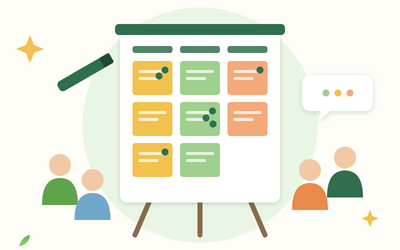
  • Generate ideas, group them into themes and prioritise with dot voting and an impact and effort grid
  • Define problems, find causes, compare options and make decisions with a rule agreed in advance
  • Handle disagreement, dominant behaviour, silence and strong feelings calmly and safely
  • Run fair online and hybrid sessions, then close, evaluate, write up and follow through on actions

Requirements

  • No facilitation experience needed
  • A meeting or workshop you'd like to run, or the practice scenarios included with the course
  • Pen and paper; a spreadsheet program helps for some of the practice tools

Frequently asked questions

It's for anyone asked to run workshops, away days, consultations or problem-solving meetings: team leaders, project staff, trainers, teachers and people in charities and community groups. You don't need any experience.

No. It's a practical skills course, not an accredited qualification or preparation for one.

Yes. Section 8 covers online and hybrid sessions, including breakout rooms, chat, polls, shared whiteboards and how to be fair to people in the room and online. The methods work with any video-call tool.

It helps, but you don't need one. Every lesson has a Try it you can do with a meeting of your own or with the practice pack, and the final project offers a ready-made scenario if you need one.

No, the lessons are written, with methods in numbered steps and example wording you can use in your own sessions.

Yes. Every section has a worksheet, model answers, a cheat sheet and tools such as an agenda planner, check-in questions, a dot voting workbook, a cause map template, a decision rules card and an action tracker.

You get lifetime access, including any lessons we add later.

Yes. You can ask for a refund within 14 days of buying if you've completed less than 30% of the course. Email support@rootlet.co.uk.
Facilitation Skills: Run Workshops and Meetings That Get Results

£34.99

Lectures

62

Quizzes

10

Skill level

Beginner

Expiry period

Lifetime

Certificate

Yes

✓ 14-day money-back guarantee if you have completed less than 30% of the course. Refund policy

✓ Secure card payment by Stripe

✓ Questions before you buy? support@rootlet.co.uk

Sold by Rootlet Academy Ltd, a UK company (no. 17529179).

Share this course

Related courses

Learn something new every week

One short, practical tip each Thursday, plus news when new courses open. Free, and you can unsubscribe in one click.

We'll never share your email. See our privacy policy.