Course description

Feeding children well can feel like a full-time job on top of everything else. This course sorts the useful advice from the noise and turns it into meals that work in a real, busy household, using UK advice from the NHS, the Food Standards Agency and the government's Eatwell Guide.

You'll learn how children's needs change from toddlers to 12-year-olds, how much sugar and salt is too much at each age, which drinks to choose, how to handle fussy eating calmly, how to keep young children safe from choking and allergic reactions, and how to plan family meals on a budget. Weight is handled with care: the course never suggests a weight-loss diet for a child.

There are 10 sections and 50 written lessons, and each one ends with a short, practical exercise. You follow the Tattersalls, a family of five in Burnley, through most of a year: a toddler's bedtime bottle, a seven-year-old who eats only beige food, an eleven-year-old who's always hungry, a letter from school, a grandma with a treat cupboard and a four-week meal plan. Every section has a practice pack with a worksheet, example answers and a cheat sheet, plus tools such as a family food diary, a toddler milk and food card, a sugar, salt and labels card, a choking and food safety card, an allergy card, a lunchbox planner, recipe cards and, in Section 10, a four-week meal planner and shopping lists.


What you'll learn

  • Getting started: what children need from food at different ages, where to find trusted advice, and a one-week family food diary kept without judging anyone.
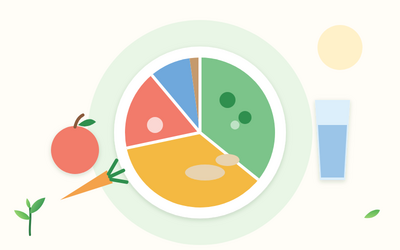
  • The Eatwell Guide for families: the five food groups, how the guide applies to children from 2 and from 5, 5 A Day, fibre by age, fish and iron, and one meal that works for the whole table.
  • Toddlers and young children: fat, fibre and milk for 1- to 4-year-olds, moving on from bottles, meals and snacks for small stomachs, vitamins A, C and D, and Healthy Start and Best Start Foods.
  • Sugar, salt, fat and drinks: the NHS daily limits by age, water, milk, juice, squash, fizzy drinks and energy drinks, and reading food labels and traffic lights.
  • Fussy eating and family mealtimes: why children are wary of new foods, offering them calmly without bribes or battles, eating together, screens, cooking with children and when to see a GP or health visitor.
  • Choking, allergies and food safety: preparing food for under 5s, what to do if a child is choking, introducing allergens, living with a food allergy, anaphylaxis and food hygiene.
  • Breakfasts, snacks, lunchboxes and school food: quick breakfasts, planned snacks, balanced packed lunches kept cool, the school food standards in England, free school meals and parties.
  • Budget family meals: planning, shopping for less, batch cooking, leftovers and rice, and six budget family recipes.
  • Weight, body image and wellbeing: growth and the school measurement letter, kind words about food and bodies, active families, sleep, grandparents and treats, and where to get help.
  • Your family's four-week meal plan: a final project: four weeks of family meals with shopping lists and a budget, using a planner spreadsheet.


Who it's for

Parents and carers of children aged 1 to 12 in the UK, including grandparents and childminders, and households on a tight budget. You don't need any knowledge of nutrition.


What this course is, and isn't

This course gives general information about healthy eating for families. It isn't medical or dietetic advice, and it doesn't replace your child's GP, health visitor, school nurse, a pharmacist or a registered dietitian. If your child has a health condition, a food allergy, a special diet or any problem with growth or weight, talk to their GP or health visitor before making big changes. No brands are recommended.

What will I learn?

  • Use the Eatwell Guide to plan family meals, and explain how the advice differs for children under 2, from 2 and from 5
  • Choose milk, drinks, vitamins and family foods for 1- to 4-year-olds, and check whether you can get Healthy Start or Best Start Foods
  • Apply the NHS daily limits for free sugars and salt at each age, and read food labels and traffic lights quickly
  • Choose drinks for children of each age, from water and milk to juice, squash, fizzy drinks and why energy drinks aren’t for children
  • Handle fussy eating calmly without bribes or battles, eat together more often, and know when to see a GP or health visitor
  • Prepare food to lower the choking risk for under 5s, know what to do if a child chokes, and manage allergies and food hygiene safely
  • Plan breakfasts, snacks and balanced packed lunches, and understand the school food standards and free school meals
  • Plan, shop, batch cook and use leftovers to feed a family well on a budget
  • Talk kindly about food and bodies, support growth and wellbeing without dieting, and know where to get help
  • Build a four-week family meal plan with shopping lists and a budget

Requirements

  • You feed or care for one or more children aged 1 to 12; no knowledge of nutrition is needed
  • You can follow a simple recipe and read a food label with a little help
  • A way to open PDFs and, for Section 10, a spreadsheet app; a printer is useful but not essential
  • This is general information about healthy eating for families, not medical or dietetic advice; your child’s GP or health visitor comes first

Frequently asked questions

It's for parents, grandparents and other carers in the UK who feed children aged 1 to 12 and want to know the current advice and how to fit it into a busy week. You don't need any knowledge of nutrition.

It's based on advice from the NHS, the Food Standards Agency, the Eatwell Guide, Healthy Start and GOV.UK. Advice and schemes change, so each lesson tells you where to check the current position.

Only briefly. The course is for children aged 1 to 12. Where advice for babies matters, such as juice, choking first aid and introducing allergens, it's included, but it isn't a weaning course.

Yes. Section 5 explains why children are wary of new foods, how to offer them calmly without bribes or battles, how to eat together and when to see a GP or health visitor.

Yes, carefully. The course never suggests a weight-loss diet for a child. It explains how growth is measured, what a letter from school means, how to talk kindly about food and bodies and who to talk to if you're worried.

No. The course doesn't name or recommend any brand, shop or product.

No. Every lesson is written, with a worked example, common slips, questions people often ask and a short exercise, and every section has a practice pack with a worksheet, example answers and a cheat sheet, plus tools such as a family food diary, safety and allergy cards, recipe cards and a four-week meal planner.

You get lifetime access, including any lessons we add later.

Yes. You can ask for a refund within 14 days of buying if you've completed less than 30% of the course. Email support@rootlet.co.uk.
Healthy Eating for Children: Feed a Busy Family Well, the UK Way

£29.99

Lectures

60

Skill level

Beginner

Expiry period

Lifetime

Certificate

Yes

✓ 14-day money-back guarantee if you have completed less than 30% of the course. Refund policy

✓ Secure card payment by Stripe

✓ Questions before you buy? support@rootlet.co.uk

Sold by Rootlet Academy Ltd, a UK company (no. 17529179).

Share this course

Related courses

Learn something new every week

One short, practical tip each Thursday, plus news when new courses open. Free, and you can unsubscribe in one click.

We'll never share your email. See our privacy policy.