Course description

Whether you've just started running, you lift weights a few times a week, you play five-a-side or you've taken up swimming later in life, what you eat and drink makes a real difference to how training feels, how well you recover and how much you enjoy it. Yet advice about food and exercise can be confusing, full of products, rules and myths.

This course explains how to eat to fuel exercise in plain words, with ordinary food from ordinary shops. You'll learn why active days need more food, what happens when you don't eat enough for your training, and how carbohydrate, protein, fats and fluid fit around your sessions. You'll fuel a first 5k, 10k and half marathon, eat for gym work, team sports and recovery, look at supplements with a food first approach, and see how needs differ for vegetarians and vegans, women, people around menopause and older adults. You'll finish with your own fuelling plan for a training week and an event day.

There are 10 sections and 50 written lessons, each with a worked example, common slips, questions people often ask and a short task to try. You follow three active people in Salisbury through 2026: Larissa, a school office manager training for her first 10k and half marathon; Pranav, a vegetarian warehouse team leader who lifts weights and plays football around shift work; and Olusola, who took up swimming and run-walking in her sixties. Every section has a practice pack with a worksheet, example answers and a cheat sheet, plus tools such as a food and training diary, meal and snack idea cards, a hydration log, an event fuel rehearsal sheet, a safety card, a supplement check sheet, shopping lists, simple recipes, a label reading worksheet and a training week planner spreadsheet.


What you'll learn

  • Food, fuel and your body: energy balance in plain words, why active days need more food, under-fuelling and low energy availability explained gently, a kind relationship with food and your starting point.
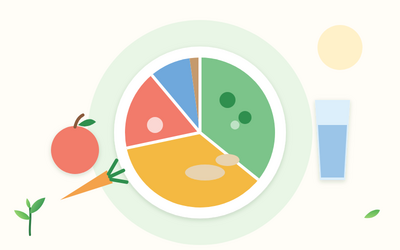
  • The building blocks: carbohydrate as your main fuel, protein for recovery and muscle, fats, fibre and its timing, the vitamins and minerals active people watch, and an active plate.
  • Hydration: thirst and pee colour, dehydration, sweat, salt and electrolytes, plus the rare but serious risk of drinking too much in long events, and a weekly routine.
  • Eating around training: what to eat before, during and after exercise, and plans for morning, lunchtime and evening sessions, shifts and family life.
  • Fuelling running events: a first 5k, stepping up to 10k, half marathon training weeks, practising event food and a timed event day plan.
  • Gym, strength and recovery: fuel for lifting and classes, protein through the day, rest days and sleep, team sports and tournaments, and eating through injury or illness.
  • Supplements and sports products: a food first approach, protein powders, bars and sports drinks, caffeine and creatine in general terms, vitamin D and iron, and choosing safely.
  • Different needs and life stages: vegetarian and vegan athletes, women and exercise, menopause in brief, older active adults and when you need personal advice.
  • Everyday eating for training weeks: budget shopping, batch cooking, reading labels and claims, alcohol and exercise, and common myths.
  • Your personal fuelling plan: a training week plan, an event day plan, adjusting as training changes and keeping it going.


Who it's for

Adults in the UK who are active for fun, fitness or a personal goal: recreational runners, gym-goers, people taking up a sport and people returning to exercise. You don't need any knowledge of nutrition. You'll need a computer, tablet or phone to read the lessons, a PDF reader for the practice packs and, for Section 10, a spreadsheet app if you'd like to use the training week planner.


What this course is, and isn't

This course gives general information about eating for exercise, based on advice from the NHS, the British Dietetic Association, the British Nutrition Foundation and the Food Standards Agency. It isn't a professional qualification, a personal diet plan, a weight-loss course or medical advice. If you have a medical condition, take regular medication, are pregnant or have ever had an eating disorder, check with your GP or a registered dietitian before you change how you eat or train. The course doesn't name or recommend any brand of food, drink, supplement or sports product. The people in the course are fictional.

What will I learn?

  • Explain energy balance in plain words, why active days need more food and how to spot the signs of under-fuelling and low energy availability
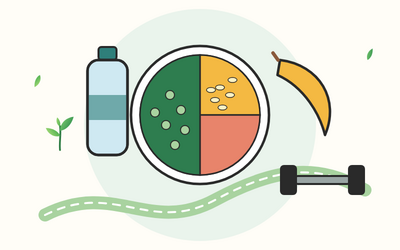
  • Use carbohydrate, protein, fats, fibre, vitamins and minerals to build an active plate that changes with easy, moderate and hard days
  • Judge whether you’re drinking enough using thirst and pee colour, know when salt and sports drinks help and why drinking to thirst matters in long events
  • Plan meals and snacks before, during and after training, and around morning, lunchtime and evening sessions, shifts and family life
  • Fuel a first 5k, 10k and half marathon, practise event food in training and follow a timed event day plan
  • Eat for gym work, strength gains, team sports and recovery, including rest days, sleep, injury and illness
  • Take a food first approach to supplements, understand caffeine, creatine, vitamin D and iron in general terms and choose products more safely
  • Adapt your eating for a vegetarian or vegan diet, periods, menopause or getting older, and know when you need personal advice
  • Shop and batch cook on a budget for training weeks, read labels and claims, and plan around alcohol
  • Build your own fuelling plan for a training week and an event day

Requirements

  • No knowledge of nutrition is needed: this course is for adults in the UK who are active for fun, fitness or a personal goal
  • A computer, tablet or phone to read the lessons, a PDF reader for the practice packs and, for Section 10, a spreadsheet app if you’d like to use the training week planner
  • This is general eating education, not a professional qualification, a personal diet plan or medical advice; if you have a medical condition, take regular medication, are pregnant or have ever had an eating disorder, check with your GP or a registered dietitian first

Frequently asked questions

Adults in the UK who are active for fun, fitness or a personal goal: recreational runners, gym-goers, people taking up a sport and people returning to exercise. You don't need any knowledge of nutrition.

No. It's general eating education. It won't qualify you to advise other people, and it won't give you a personal diet plan. It explains the principles so you can build your own fuelling plan, and it tells you when to ask your GP or a registered dietitian for personal advice.

No. The course is about eating enough of the right things, at sensible times, to train, recover and stay well. It doesn't give weight-loss advice or calorie targets, and it explains where to get kind, expert help if food or weight is a worry.

No. Running is one example, and Section 5 covers a first 5k, 10k and half marathon, but the course also covers gym and strength work, classes, team and racket sports, swimming, cycling and walking.

It's based on advice from the NHS, the British Dietetic Association, the British Nutrition Foundation, the Food Standards Agency and nidirect at the time of writing. Advice changes, so check the current position with those sources.

No. The course takes a food first approach and doesn't name or recommend any brand of food, drink, supplement, sports product or app. It explains supplements in general terms and how to choose more safely.

Yes. Lesson 8.1 covers vegetarian and vegan athletes, and examples throughout include plant-based options. Pranav, one of the three people you follow, is vegetarian.

Yes. Every section has a practice pack with a worksheet, example answers and a cheat sheet, plus tools such as a food and training diary, meal and snack idea cards, a hydration log, an event fuel rehearsal sheet, a safety card, a supplement check sheet, shopping lists, simple recipes, a label reading worksheet and a training week planner spreadsheet.

Each lesson is about 10 to 15 minutes of reading, plus time for the short task at the end. The final project in Section 10 takes longer, and you can spread it over several sessions.

You get lifetime access, including any lessons we add later.

Yes. You can ask for a refund within 14 days of buying if you've completed less than 30% of the course. Email support@rootlet.co.uk.
Nutrition for Active People: Fuel Exercise, Running and Recovery

£29.99

Lectures

60

Skill level

Beginner

Expiry period

Lifetime

Certificate

Yes

✓ 14-day money-back guarantee if you have completed less than 30% of the course. Refund policy

✓ Secure card payment by Stripe

✓ Questions before you buy? support@rootlet.co.uk

Sold by Rootlet Academy Ltd, a UK company (no. 17529179).

Share this course

Related courses

Learn something new every week

One short, practical tip each Thursday, plus news when new courses open. Free, and you can unsubscribe in one click.

We'll never share your email. See our privacy policy.