Course description

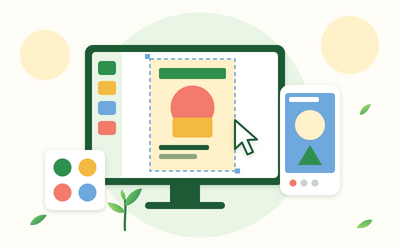
Figma is a design tool for planning website pages and app screens. This course teaches you to use it properly, and to think like a UX designer while you do: finding out what people need, planning pages and steps, sketching and wireframing, building flexible layouts with Auto Layout, reusable components and styles, finished designs that are accessible, clickable prototypes, and a simple usability session before anything is built.

It's a full, hands-on course, not a quick tour. There are 10 sections and 50 written lessons, each with a worked example, common questions and a short task to do in Figma. You follow Ailith, a former hotel reservations manager in Malvern moving into design, as she designs a home page for an upholstery workshop and booking screens for a children's swim school, including the mistakes she made and how she put them right. Every section has a practice pack with a worksheet, key points and the files the lessons use: briefs, starter content, wireframe sketch sheets, persona and journey templates, component inventories, checklists and sample pictures drawn for the course. There are no ready-made Figma files: you build everything yourself, from an empty canvas.

Figma changes often, so the course describes what each tool does and where it usually lives, and says plainly what was true at the time of writing. Everything except Dev Mode and variable modes can be done on Figma's free plan at the time of writing.


What you'll learn

  • Getting started: what Figma and FigJam are, how plans and seats work in general terms, the browser and the desktop app, files, pages, frames and the canvas, and a tidy naming routine.
  • Shapes, text and images: shapes, fills, strokes, corners and shadows, text that copes when the words change, placing and cropping pictures, frames, groups and alignment.
  • UX basics before you design: user needs and business goals, a one-page brief, short conversations with users, personas, journey maps, information architecture, sitemaps and user flows.
  • Wireframes: quick paper sketches, frames and layout guides, a grey wireframe for a home page and four app screens, and a review with the owner.
  • Auto Layout and different screens: padding, gap, flow and alignment, hug, fill and fixed sizes, constraints, and one page at desktop, tablet and phone widths.
  • Components, styles and variables: components and instances, variants and properties, colour and text styles, variables and modes in plain terms, and a small design system with a component inventory.
  • High-fidelity designs: brand colours, type and pictures, every state of an app screen, icons, labels and alt text, and the accessibility checks that belong in a design.
  • Prototyping: connections, triggers, actions and animations, overlays, fixed headers, Smart animate, simple interactive components, and viewing on a phone.
  • Feedback, handoff and exporting: sharing and comments, a usability session with five people, turning what you saw into a fix list, handoff and Dev Mode in general terms, and exporting assets.
  • Final project: a home page and a booking task for a business of your choice, or a practice brief, from research to handoff, plus Figma's AI features and plugins in general terms.


Who it's for

Career changers who want to move into web, app or UX design, and small business owners planning a website or an app who want to design it themselves or brief someone well. You don't need any design experience, just a computer and some confidence using it. The course keeps colour and typography theory and accessibility law short and points to Rootlet's other courses for more. It gives general information, not legal advice. Rootlet isn't connected to Figma. The people and businesses in the course are fictional.

What will I learn?

  • Set up Figma in a browser or the desktop app, find your way round files, pages, frames and the canvas, and keep your work tidily named
  • Draw shapes, set text that copes when the words change, place and crop pictures, and line everything up to a spacing scale
  • Write a one-page brief, talk to a few users, and turn what you hear into personas, a journey map, a sitemap and a user flow
  • Sketch on paper, then build grey wireframes for a website page and a set of app screens, and review them with the owner
  • Build buttons, cards and whole pages with Auto Layout and constraints so they work at desktop, tablet and phone widths
  • Make components with variants and properties, save colour and text styles, and use variables and modes in simple ways
  • Turn wireframes into finished, accessible designs with brand colours, real words, every state designed and contrast checked
  • Prototype a task with connections, overlays, Smart animate and interactive components, and view it on a phone
  • Run a small usability session with five people, turn what you saw into a fix list, and prepare a clear handoff with exported assets
  • Design a home page and a booking task of your own, from research to handoff, ready to show in a portfolio

Requirements

  • A desktop or laptop computer with an up-to-date web browser and an internet connection; the course is written for a computer, not a phone or tablet
  • A free Figma account; everything except Dev Mode and variable modes can be done on the free plan at the time of writing
  • A mouse or trackpad, a printer if you can (for sketch sheets and checklists), and a pencil
  • No design experience, just some confidence using a computer
  • A PDF reader and a plain text editor for the practice files
  • A few people willing to talk to you for ten minutes or try a prototype, for the UX tasks

Frequently asked questions

Career changers who want to move into web, app or UX design, and small business owners planning a website or an app. You don't need any design experience.

At the time of writing (October 2026), Figma has a free Starter plan, and everything in the course except Dev Mode and variable modes can be done on it. The free plan has limits, such as how many files and projects you can have. Plans, seats and prices change, so check figma.com before you choose.

No. Lesson 9.4 describes Dev Mode, which needs a paid plan and a suitable seat at the time of writing, and shows how to hand off a design on the free plan without it. Lesson 6.4's variable modes also need a paid plan at the time of writing; the lesson shows what they do, and the rest of it works on the free plan.

Both. Section 3 covers user needs, short conversations with users, personas, journey maps, sitemaps and user flows, and Section 9 runs a usability session with five people. The UX parts are at a beginner's level, for small websites and apps.

You'll design one: pages, screens, a clickable prototype and a handoff pack. Building it is a separate job. Build a Business Website Without Code and HTML and CSS for Beginners cover that.

Only as far as your designs need. Graphic Design for Beginners covers layout, type and colour, Logo Design and Branding for Beginners covers brand identity, and Web Accessibility for Beginners covers the law and checking a live website.

In general terms, in lessons 1.2 and 10.5. They change often, some need a paid plan or use credits, and the course treats every AI result as a draft to check.

Yes. Every section has a pack with a worksheet, key points and the files the lessons use: briefs, starter content, wireframe sketch sheets, persona and journey templates, card sort cards, component inventories, checklists, a session script and sample pictures drawn for the course. There are no ready-made Figma files: you build every file yourself.

A content card, a one-page brief, a persona, a journey map, a sitemap and a user flow, a home page at three widths, four app screens with all their states, a small design system, a prototype, a usability session fix list, a handoff pack and a final project of your own.

You get lifetime access, including any lessons we add later.

Yes. You can ask for a refund within 14 days of buying if you've completed less than 30% of the course. Email support@rootlet.co.uk.
Figma for Beginners: Design Websites and App Screens with UX Basics

£34.99

Lectures

60

Skill level

Beginner

Expiry period

Lifetime

Certificate

Yes

✓ 14-day money-back guarantee if you have completed less than 30% of the course. Refund policy

✓ Secure card payment by Stripe

✓ Questions before you buy? support@rootlet.co.uk

Sold by Rootlet Academy Ltd, a UK company (no. 17529179).

Share this course

Related courses

Learn something new every week

One short, practical tip each Thursday, plus news when new courses open. Free, and you can unsubscribe in one click.

We'll never share your email. See our privacy policy.