Course description
You know something worth sharing: a hobby, a skill, a trade or a business. A YouTube channel can help you share it, answer the same questions once for many people, and bring in customers, students or friends who care about the same things. It can also swallow your evenings and leave you staring at small numbers. This course shows you how to plan, film, edit, publish and grow a channel at a pace you can keep, with the phone you already have.
It's a full course, not a quick tour. There are 10 sections and 50 written lessons, and every lesson ends with a practical task for your own channel or an example. You follow Fanja, a clock restorer with a small workshop in Whitby, from her first notes in January to a review of her first eight months: the extractor fan that ruined a recording, the first edit nearly twice as long as it needed to be, the video she wrote off as a flop that became her most-watched, and the ad label she nearly forgot. Every section has a practice pack with a worksheet, model answers, a cheat sheet and ready-to-use tools, including a channel plan on a page, an idea bank, a script template, filming and upload checklists, an appearance release template, an analytics tracker, a UK rules quick guide and a twelve-week calendar.
What you'll learn
- Planning your channel: what a channel can and can't do for hobbyists, experts and small businesses, finding a focus you can keep making videos about, knowing your viewer, and a channel plan on a page with an honest pace.
- Ideas, structure and scripts: an idea bank built from real questions and search suggestions, choosing formats, structuring a video from the opening to the ending, writing for the ear, and planning your shots.
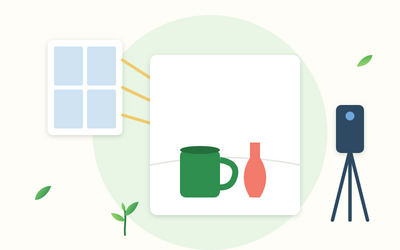
- Kit and your filming space: filming on the phone you already have, getting good sound first, light on a small budget, steady shots and framing, and a filming corner you can set up in minutes.
- Filming: talking to camera, filming hands-on work and cutaways, filming away from home, filming other people with permission, children on camera, and a filming day routine.
- Editing for YouTube: organising footage, the rough cut, pacing that holds attention honestly, sound and the music you're allowed to use, on-screen text, captions and exporting.
- Setting up and uploading: creating and securing your channel, branding and a trailer, the upload steps in YouTube Studio, the declarations on every upload, playlists, chapters, end screens and scheduling.
- Being found: how viewers find videos, honest titles and descriptions, clear thumbnails, Shorts, and sharing beyond YouTube with a website and email list.
- Growing an audience: reading YouTube Analytics, fair comparisons and a monthly review, comments, moderation and scams, keeping going without burning out, live streams, Premieres and collaborations.
- Money, rules and staying safe: the YouTube Partner Programme and other income, making it clear that ads are ads under UK rules, copyright and Content ID, community guidelines and monetisation policies, tax, records and account security.
- Final project: a review of the example channel's first eight months, a review of a second channel, then your own launch plan, first three videos and first twelve weeks.
Who it's for
Hobbyists, experts and small businesses in the UK who want to start a YouTube channel, or restart one that stalled, and want an honest, practical way to do it. You don't need any filming or editing experience, or expensive kit. The editing lessons work with any editor; if you want to learn a full editing program in depth afterwards, our DaVinci Resolve for Beginners course covers it. Section 9 explains the UK rules on ads, copyright, filming people, children and tax as general information, not legal or tax advice. The course doesn't promise views, subscribers or income, because nobody honestly can. Everyone in the course is fictional.