Course description
The photos we treasure most are of the people we love: a grandparent laughing, a child lost in a game, the whole family squeezed onto one sofa. This course teaches you to take those portraits naturally and beautifully, on a camera or a phone, by finding good light, choosing the right distance and lens, keeping the eyes sharp and helping people relax in front of the lens.
It's a full course, not a quick tour. There are 10 sections and 50 written lessons, and every lesson works on a camera and on a phone. You follow Tamika, 44, a pharmacy dispenser in Bristol, from her first photo audit in January to reviewing her final set of twelve family portraits in September, with help from Dolly, her neighbour, who used to run a portrait studio. Every section has a practice pack with a worksheet, key points and original diagrams, checklists and planners.
What you'll learn
- Getting started with portraits: what makes a portrait work, choosing and using your kit, a quick recap of exposure for people, and photographing people with respect.
- Lenses, focus and backgrounds: how focal length and distance shape a face, lenses and phone cameras for portraits, blurring and choosing backgrounds, and keeping the eyes sharp.
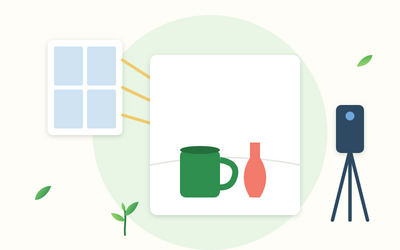
- Natural light: seeing light on a face, window light, open shade and bright sun, golden hour, overcast days and lamplight.
- Reflectors and one flash: simple reflectors and setups, and flash in outline: bounce, fill and one flash off the camera.
- Posing and directing: helping people relax, prompts rather than poses, faces and angles, bodies and hands, and directing kindly.
- The people in your life: babies and young children, older children and camera-shy people, older relatives, couples, and groups and family photos.
- Candid moments, events and self-portraits: candid photos, documentary family stories, family events, low light and self-portraits.
- Composition for portraits: placing people in the frame, framing and cropping, environmental portraits, viewpoint and building a set.
- Editing, printing and sharing: choosing your best portraits, light editing, natural skin retouching, printing and photo books, and sharing with care.
- The law, ethics and your final project: UK law in general terms, children, schools and events, copyright and model releases, and a final set of twelve family portraits.
Who it's for
Hobby photographers who want better, more natural photos of their family and friends. You don't need any experience or expensive kit: a camera or a phone, a sheet of white card and some willing people are enough. Respect runs through the course, from asking first to sharing children's photos with care, and Section 10 explains UK law on photographing people in general terms, following guidance from the Information Commission (still known as the ICO). Everyone in the course is fictional.